
Author: Jordanne Morales

What Is the Difference Between Foundation Repair and Basement Waterproofing?

Foundation Repair Murfreesboro TN

Foundation Repair Murfreesboro TN is a critical step in restoring structural integrity to your home. Structural damage like bowing walls or misaligned doors and windows can result from water intrusion that leads to soil instability and movement.

Basement waterproofing is a solution that prevents moisture from entering the basement. It is important to understand the differences between the two services so you can choose the most effective and cost-effective solution for your home.

Foundation Repair

Foundation repair is necessary to ensure that a home’s structural integrity remains intact. This service addresses structural shifting or instability that could lead to serious problems like leaks and structural collapse. Common signs of foundation issues include visible cracks, bowed walls, and sloping floors.

Waterproofing is a separate service that helps keep water out of a home’s basement or crawl space. This is accomplished by sealing entry points into the structure and redirecting drainage away from the building. Waterproofing methods often include interior drain tile systems, sump pumps, vapor barriers, and crack sealants.

Both services may be needed to address a home’s moisture problems. However, a foundation repair specialist can help homeowners determine whether the need for waterproofing or foundation repairs is most appropriate.

A professional inspection can also provide important clues about a foundation’s condition. The type of foundation your home has is an indicator, as well as any previous damage or repairs. For example, if your home is a slab foundation, then any basement cracks may suggest that the concrete slab has shifted or cracked. In contrast, a crawl space or pier and beam foundation can be damaged by soil movement or water intrusion.

The exact foundation repair process will depend on your home’s specific needs and the cause of the issue. However, a few of the most common options include:

Push piers or helical piers are installed underneath a home’s foundation to lift and stabilize it. This is especially useful for homes with sunken or sinking slab foundations, as it restores their structural integrity. Wall anchors or braces can be used to stabilize bowed or leaning walls, and carbon fiber straps can strengthen the walls of a house without the need for excavation.

Foundation repair and waterproofing are two critical services that help homeowners protect their investment and avoid costly structural damage. Understanding the differences between the two services and when each is necessary is key to maintaining a safe, dry home. By choosing the right solution the first time, homeowners can save money and avoid repeat problems down the road.

Waterproofing

Foundation repair and waterproofing are complementary solutions to common home problems, but they’re not the same thing. Understanding their distinct roles can help you choose the right solution and avoid costly mistakes that lead to recurring damage.

Waterproofing focuses on keeping moisture out of the basement or crawl space, preventing leaks and mold growth. Moisture issues typically arise from rain, groundwater, or poor drainage that pushes water toward the home’s foundation. Interior drain tile systems, sump pumps, vapor barriers, and wall liners can all be used to manage moisture and prevent leaks.

If your basement walls are damp, floors are sloping, or doors and windows stick unexpectedly, these are warning signs that moisture is infiltrating the home’s structural integrity. Foundation repair methods like piering, wall anchors, or slabjacking can stabilize the home and restore its structural stability.

In some cases, waterproofing alone will be enough to fix the problem. But in most cases, foundation repair is needed in addition to waterproofing. This is because water-related issues often lead to cracks, shifting, and settling. Foundation repair addresses these problems by stabilizing the home’s structure and addressing soil instability with techniques like helical bars, piering, and steel bracing.

It’s important to get a professional inspection to determine which solution is best for your home. Waterproofing can only seal cracks, but if your foundation has been compromised by structural movement, it needs to be repaired with a more permanent solution. Ignoring the root cause of your basement problems could result in recurring damage and costly repairs. So be sure to choose the right solution the first time by contacting an experienced foundation specialist like Crack X. We can perform a detailed inspection to identify whether you need foundation repair or waterproofing, and recommend the most cost-effective solution. Our team is dedicated to helping you protect your most valuable investment. Contact us today for a free quote! Or, visit our website to learn more about our services. We proudly serve homeowners in Lakeville, MN and surrounding areas. We offer a wide range of services, including waterproofing, concrete repair, and more.

Sealing Cracks

Cracks in a foundation are more than just cosmetic problems. They can be a warning that a homeowner is facing structural damage and should seek professional help immediately. In many cases, these warning signs are the result of water infiltration. If not addressed promptly, moisture intrusion can lead to wood rot and mold growth, and even compromise the air quality in a home.

Regardless of whether the cracks are moving or static, they should be sealed to prevent water infiltration. This can be done using a variety of methods. One option is to use a carbon fiber staple, which is inserted into a crack to strengthen it. A similar method is to apply epoxy or polyurethane foams to fill the crack. This can be done using a special tool that injects the material into the cracks, causing them to expand and harden in place.

Waterproofing is a separate process from foundation repair, but these two services often go hand in hand. Unless a foundation has significant structural issues, it’s usually possible to address waterproofing needs before the structure is compromised. Waterproofing is a proactive approach that helps manage moisture levels and protects the basement or crawl space from condensation, humidity, and wood rot. It can also reduce the risk of mold, mildew, radon, and other harmful soil gasses from entering the home.

While waterproofing may be necessary, foundation repair is still essential. If a foundation is in serious disrepair, it will likely require replacement before waterproofing can be effectively applied.

Many homeowners confuse the terms foundation repair and waterproofing, and they often try to tackle both at once. This can lead to recurring problems and wasted money. For example, if a foundation is showing signs of movement, it should be repaired before the basement is waterproofed. Otherwise, the cracked walls could continue to shift and lead to structural damage over time. This is why it’s so important to have a foundation expert perform a thorough inspection and recommend the correct solution for each issue. A comprehensive inspection includes evaluating the condition of the foundation and determining how water is entering the home.

Sump Pump Installation

Many homeowners discover basement water problems and immediately think “basement waterproofing.” However, it is important to understand that foundation repair and waterproofing have distinct roles. Waterproofing protects the home’s structure by creating barriers against moisture, while foundation repair restores structural stability to prevent movement and cracking. Addressing both issues in the proper sequence can extend the life of your home and ensure that its value is maintained.

Persistent water intrusion can cause the soil to shift around a foundation, which creates pressure and causes cracking. This damage can be caused by flooding, groundwater, or even soil expansion and contraction – such as clay soil that expands when wet and shrinks when dry. Waterproofing helps to address these problems by preventing the transfer of moisture from the soil to a home’s interior, and by creating an effective drainage system.

A sump pump is a crucial component of any basement waterproofing solution. It is most effective when installed in the lowest spot in a basement floor. A certified waterproofing specialist will determine the best spot for a sump by using a laser level. Once the spot is determined, a drain hole is dug. The area is then backfilled with clean gravel to promote good drainage and help the sump pump work efficiently.

The sump pump is then lowered into the hole and connected to a perimeter drain, with a special outlet installed to allow the sump to discharge outside, and away from your home. The sump pit is finished with a lid that can be sealed to prevent moisture and odors from rising out of the pit and children or pets from getting into it.

Once the sump pump is in place, it will be filled with water to test its functionality and to make sure it can drain and pump away the amount of water that is expected. During this process, the installer will inspect the discharge line to ensure it is properly routed away from the house. An antifreeze device, called IceGuard, is sometimes installed to prevent the discharge pipe from freezing and clogging.
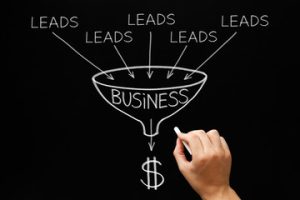
A Complete Guide to Lead Generation for Growing Your Business

In today’s fast-paced digital marketplace, lead generation has become one of the most essential pillars of business growth. Whether a company operates online, offline, or incorporates a hybrid model, the ability to attract potential customers and convert them into paying clients directly impacts long-term success. Lead generation involves identifying, engaging, and nurturing individuals who have shown interest in a product or service. With effective strategies and a well-structured approach, businesses can increase their sales pipeline, boost revenue, and build a stable customer base. Understanding how lead generation works, why it matters, and what methods produce the best results is crucial for sustainable growth in any industry. Make sure you check out Growth Cave Review to learn more.

lead generation

Lead generation begins with visibility. Prospects must discover a business before they can consider engaging with it, and this requires strategic marketing efforts. Digital channels such as search engines, social media, email marketing, and content platforms play a major role in helping businesses reach potential leads. High-quality content, targeted advertisements, and consistent brand presence increase the likelihood of attracting people who are genuinely interested in specific products or services. Once visitors arrive at a website or landing page, businesses must be ready to capture their information through forms, calls to action, or interactive tools. This initial exchange of contact information marks the beginning of the lead nurturing process.

One of the most effective methods of lead generation today is content marketing. Educational blog posts, videos, guides, infographics, and digital resources help establish credibility and attract prospects organically. When businesses create content that addresses pain points, answers common questions, or provides helpful insights, they position themselves as trusted authorities. This trust encourages readers or viewers to engage further by subscribing to newsletters, downloading resources, or requesting consultations. Properly optimized content increases search visibility, driving organic traffic and consistently feeding the lead generation funnel.

Another powerful strategy involves email marketing, which remains one of the highest-converting channels for generating leads. By building an email list from website visitors, social media followers, and past customers, businesses can communicate directly with prospects, nurture relationships, and share valuable updates or offers. Personalized email campaigns that are segmented based on behavior, interests, or demographics tend to perform significantly better than generic messages. Automation tools allow businesses to deliver the right message at the right time, ensuring prospects continue moving through the sales funnel without manual effort.

Social media marketing also plays a major role in modern lead generation. Platforms that support targeted advertising and community interaction allow businesses to reach highly specific audiences. Compelling visuals, engaging posts, and interactive features such as polls or live sessions encourage potential customers to connect with the brand. Paid social media campaigns can expand reach even further, directing users to optimized landing pages where they can convert into leads. The key to leveraging social media effectively is consistency, authenticity, and providing value through every interaction.

A crucial part of generating leads is having optimized landing pages that turn visitors into prospects. A landing page is designed to encourage a specific action, such as downloading an e-book, signing up for a webinar, or requesting a quote. Effective landing pages are simple, clear, and focused, avoiding unnecessary distractions. They contain persuasive copy, compelling visuals, and strong calls to action that guide visitors toward sharing their contact information. A well-designed landing page can significantly increase conversion rates and improve the overall performance of lead generation campaigns.

In addition to digital strategies, search engine optimization (SEO) remains a foundational component of successful lead generation. When businesses appear in relevant search results, they increase their chances of attracting users actively looking for solutions. SEO involves optimizing website content, structure, and performance to rank higher on search engines. Keyword research, internal linking, backlink building, and high-quality content creation all contribute to improved search visibility. When done correctly, SEO attracts organic leads at a lower cost compared to paid advertising, making it an essential long-term investment.

Beyond attracting leads, lead nurturing is a critical step in ensuring prospects eventually convert into customers. Lead nurturing involves building relationships with potential clients by providing timely, relevant, and personalized content. This can include email sequences, follow-up messages, retargeting ads, and educational resources that address different stages of the buyer journey. The nurturing process helps prospects gain confidence in the brand, understand the value of the offering, and feel prepared to make a purchasing decision. Without effective nurturing, many leads lose interest or turn to competitors.

To manage and evaluate lead generation efforts, businesses benefit from using customer relationship management (CRM) systems. These tools help track leads, monitor interactions, automate communication, and measure results. A CRM system centralizes important data, making it easier to prioritize high-quality leads and personalize outreach. Businesses can also analyze conversion rates, identify bottlenecks, and adjust strategies accordingly. With accurate data and insights, companies can refine their approach and improve overall lead generation performance.

Another approach gaining popularity is paid advertising, which includes search engine ads, banner ads, and sponsored social media posts. Paid ads allow businesses to target specific demographics, interests, locations, and behaviors, increasing the chances of reaching qualified leads. While more costly than organic strategies, paid advertising can produce rapid results and deliver a steady flow of leads when managed effectively. A combination of strong ad copy, strategic targeting, and optimized landing pages is essential for maximizing return on investment.

For companies offering specialized services, webinars and workshops are powerful lead generation tools. Hosting educational events allows businesses to showcase expertise while engaging directly with potential customers. Attendees often share their contact information to register, instantly becoming leads. Additionally, webinars build trust by providing real-time interactions, demonstrations, and opportunities for prospects to ask questions. These events position a business as a knowledgeable and reliable resource, which can lead to higher conversion rates after the presentation.

The rising popularity of mobile usage has also influenced lead generation strategies. Businesses now focus on creating mobile-optimized websites and ads to ensure smooth and seamless user experiences. Slow-loading pages, poor navigation, and unresponsive designs can discourage prospects from engaging. By prioritizing mobile-friendly layouts, fast performance, and accessible forms, companies increase conversions and improve user satisfaction across all devices.

A successful lead generation approach also involves multichannel marketing, which means reaching prospects across various platforms. Instead of relying on a single method, businesses benefit from combining SEO, email, social media, paid ads, and offline strategies. This increases visibility, reinforces brand awareness, and ensures that prospects encounter the brand in multiple contexts. Multichannel marketing also improves credibility since consumers often trust businesses they see consistently.

One of the most overlooked aspects of lead generation is the importance of clear messaging and branding. Prospects must quickly understand what a business offers, what problems it solves, and why it stands out from competitors. Confusing or inconsistent messaging can discourage potential leads from moving forward. Strong branding, clear value propositions, and compelling storytelling all contribute to building a memorable and trustworthy presence.

With increasing awareness around data protection, businesses must also prioritize ethical lead generation practices. This includes gaining consent before sending marketing emails, safeguarding contact information, and maintaining transparency about data usage. Respecting privacy builds trust and ensures long-term relationships with prospects and customers.

Measuring lead generation performance involves tracking important key performance indicators (KPIs) such as lead volume, cost per lead, conversion rate, lead quality, and return on investment. These metrics help businesses evaluate what strategies are working, which channels are underperforming, and where improvements are needed. Regular analysis and adjustments ensure steady growth and long-term success.

In conclusion, lead generation serves as the backbone of business expansion, providing a continuous flow of potential customers ready to engage with a product or service. With effective strategies, optimized tools, and consistent efforts, businesses can attract high-quality leads, nurture meaningful relationships, and increase their conversion rates. Whether through content marketing, social media engagement, paid advertising, SEO, or email campaigns, the most successful lead generation programs focus on delivering value, building trust, and maintaining a strong brand presence. By understanding the needs of prospects and guiding them through a thoughtful and strategic process, companies can drive sustained growth and build a loyal customer base.

Navigation